Scientific Research + Conservation
I’m a marine biologist, conservationist, and lifelong ocean enthusiast. My research focuses on understanding the ecology, behavior, and movements of marine megafauna like sharks, manta rays, and cetaceans. My scientific work, starting in 2006, has taken place in the Gulf of California, Guadalupe Island, Revillagigedo Archipelago, Gulf of Mexico and the Mexican Pacific, where I’ve helped contribute to scientific research and marine conservation efforts, including the establishment of marine protected areas. Because of this work, I have scientific and commercial and filming permits (link to services) in some of the Mexican marine protected areas.
At the end of the day, my goal is simple—use science and storytelling to help protect the ocean and the incredible creatures that call it home.
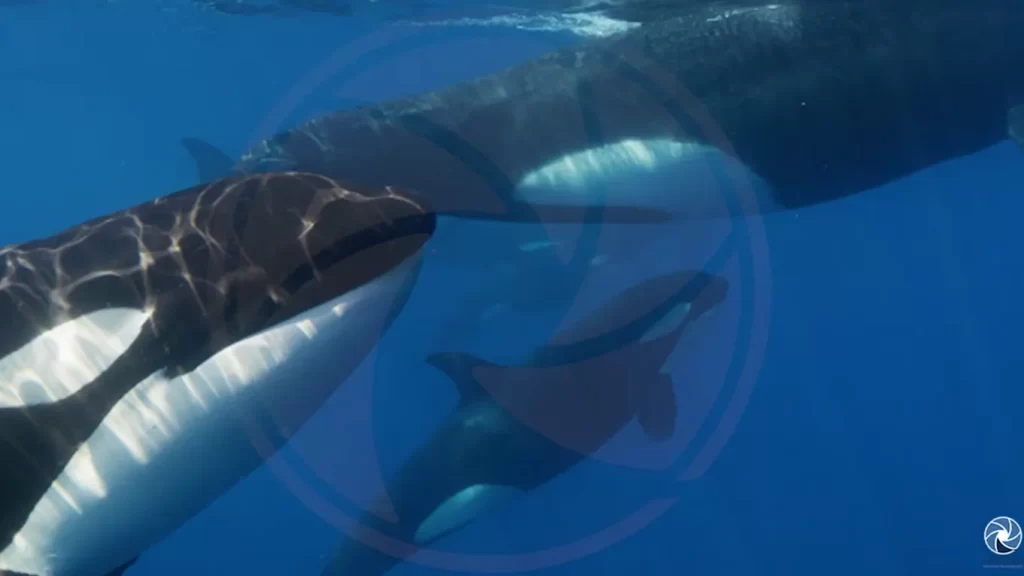
Killer Whale Behavior
(Orcinus orca)
Since 2018, I’ve been researching orcas in the Gulf of California, documenting their hunting strategies—including rare instances of them preying on whale sharks and rays.
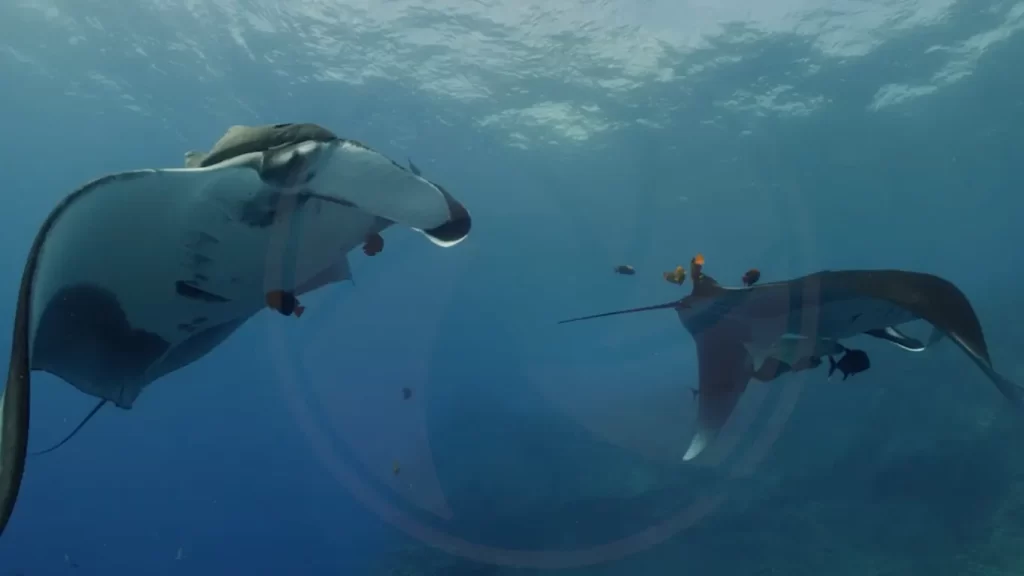
Manta Rays
(Mobula birostris)
I’ve studied their movement patterns, population size, and behavior using photo-identification and satellite tagging to support conservation efforts.
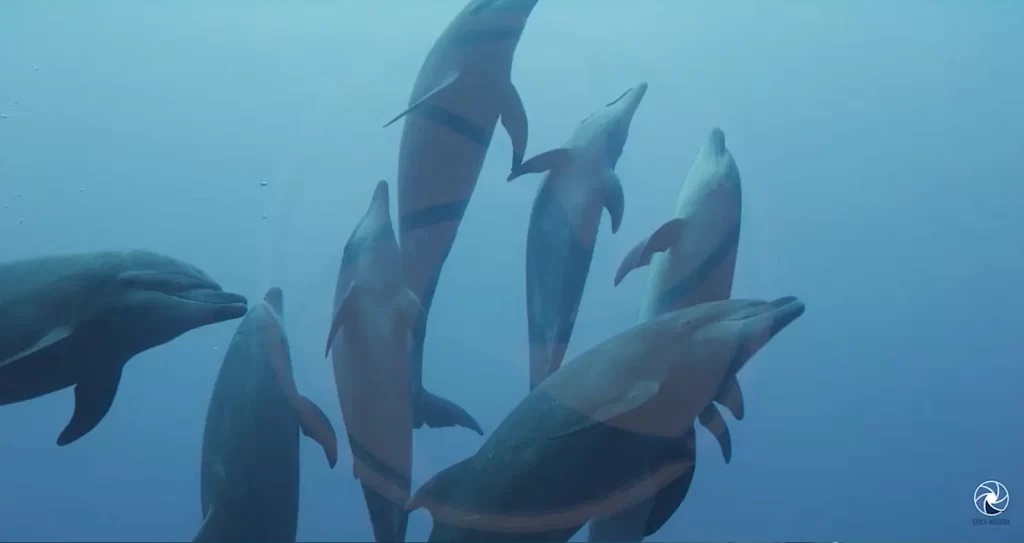
Other Marine Species
My work also includes studies on bottlenose dolphins and various shark species to better understand the broader marine ecosystem.
Current Projects
Pelagic Migrations – Population dynamics and movement patterns of the Oceanic Giant Manta (Mobula birostris) and the Whale Shark (Rhincodon typus) in the Revillagigedo National Park, Gulf of California and the Mexican Pacific.
Killer whales (Orcinus orca) of the Gulf of California – hunting strategies, acoustic behavior, trophic and social structures.
Key Contributions

Tracking Marine Megafauna
I use photo-identification techniques to track individual sharks, rays, and whales, helping scientists better understand their migration patterns and habitat use.

Manta Ray and Shark Conservation
My research has provided valuable data that informs policies to protect vulnerable species like whale sharks and giant manta rays.

Marine Protected Areas
My work has contributed to creating and enforcing marine protected areas (MPAs) in Mexico to protect critical habitats

Collaboration with National Geographic & BBC
I work with organizations like National Geographic and the BBC on documentary projects to raise awareness about marine conservation.
Organizations + Memberships
I’m proud to be part of several organizations dedicated to promoting marine conservation. I’m cofounder of Manta Pacifico, a collective working to advance research on giant mantas. I also work with Pelagic Life, a non-profit focused on protecting Mexico’s marine megafauna through awareness campaigns, sustainable ecotourism, and promoting responsible seafood consumption. I currently co-direct the non-governmental organization Conexiones Terramar, where my colleagues and I conduct scientific research on whale sharks and giant manta rays in the Gulf of California and the Revillagigedo Archipelago, and on killer whales in the waters surrounding the Baja California Peninsula.
- Manta Pacifico- Cofounder, Collective working to advance research on giant mantas.
- Miembros — Pelagic Life – a non-profit focused on protecting Mexico’s marine megafauna through awareness campaigns, sustainable ecotourism, and promoting responsible seafood consumption.
- Conexiones Terramar – co-direct the non-governmental organization Conexiones Terramar, where my colleagues and I conduct scientific research on whale sharks and giant manta rays in the Gulf of California and the Revillagigedo Archipelago, and on killer whales in the waters surrounding the Baja California Peninsula.
- Archipiélago de Revillagigedo – UNESCO
- World Heritage Centre
- National Geographic Explorer (Since 2022)
- Sea Hero (September 2022)
- Nauticam Ambassador (Since 2016)
Research
We’ve published the following papers (orcid.org/0000-0003-4607-8244researchgate.net/profile/Jesus-Higuera-Rivas) to support conservation and awareness.
| Title & Published Date | Co-Authors | Summary |
|---|---|---|
| Killer whales hunt, kill, and eat whale sharks. Nov 2024 | Francesca Pancaldi, Kathryn Ayres, Austin J. Gallagher, Me | We documented killer whales preying on whale sharks—something rarely seen before!We documented killer whales preying on whale sharks—something rarely seen before! |
| Orcas and sharks: Predator-prey interactions in Cabo Pulmo National Park. June 2024 | Kathryn Ayres, Austin J. Gallagher, Me | We looked at how orcas interact with sharks in a marine protected area and what that means for the ecosystem. |
| Sharks rubbing against whale sharks—what’s up with that? May 2023 | Francesca Pancaldi, Edgar Eduardo Becerril-García, Me | We observed certain shark species chafing against whale sharks—probably a way to clean their skin, but it’s not something that had been studied much before. |
| Genetic differences in false killer whales in the Mexican Pacific. May 2023 | Anidia Blanco-Jarvio, Carolina Galván-Tirado, Haide Cruz Villagrán, Hiram Rosales Nanduca, Me | We found strong regional genetic differences in false killer whales, which could mean they stick to certain areas more than we thought. |
| Revillagigedo Archipelago might be a dolphin nursery. March 2023 | Erica Carone, Fabio Favoretto, Hiram Rosales Nanduca, Me | Turns out, bottlenose dolphins may be using this remote area as a calving site, which has big implications for conservation. |
| Orcas hunting rays in different ways in the Gulf of California. January 2023 | Edgar Mauricio Hoyos Padilla, Fernando R. Elorriaga-Verplancken, Jorge Urbán R., Me | We documented orcas using different strategies to hunt rays, adding to our understanding of their intelligence and adaptability. |
| Sharks as exfoliators? They might be more than just predators. November 2021 | Lacey Williams, Alexandra Anstett, Victor Bach Muñoz, Me, Neil Hammerschlag | We explored the idea that sharks rubbing against other marine animals might play an ecological role we haven’t considered before. |
| Best practices for interacting with giant mantas in La Reina. August 2020 | Edgar Mauricio Hoyos Padilla, James T Ketchum, Frida Lara Lizardi, Me | We put together guidelines to help divers and tour operators interact with mantas that reduces stress on the mantas and keeps them safe. |
Conexiones Terramar, 2018 (Co-director of the NGO)
Research | Conservation | Education | Spreading
- Frontiers | Killer whales (Orcinus orca) hunt, kill and consume the largest fish on Earth, the whale shark (Rhincodon typus)
- Frontiers | Orca (Orcinus orca) and shark predator-prey interactions within Cabo Pulmo National Park in the Gulf of California, Mexico
- (PDF) Chafing behaviour from two carcharhinid shark species Carcharhinus falciformis and C. galapagensis on whale sharks Rhincodon typus: Comportamientos de frotamiento de Carcharhinus falciformis y C. galapagensis sobre tiburones ballena Rhincodon typus
- Mitochondrial genetic variation in false killer whale groups (Pseudorca crassidens) from the Mexican Pacific reveal strong regional differentiation – Blanco‐Jarvio – 2023 – Marine Mammal Science – Wiley Online Library
- Revillagigedo Archipelago, Mexico: A Probable Calving Area for Common Bottlenose Dolphins (Tursiops truncatus) | Request PDF
- Orcas (Orcinus orca) Use Different Strategies to Prey on Rays in the Gulf of California | Request PDF
- Sharks as exfoliators: widespread chafing between marine organisms suggests an unexplored ecological role