Who is Erick Higuera?
Behind every great natural history sequence lies a deep, intimate knowledge of the environment. As both a marine biologist and professional wildlife filmmaker, my work is built around understanding the animals and ecosystems I film, not simply capturing what happens in front of the lens.
After thousands of hours in the open ocean tracking apex predators and pelagic giants, I have learned to read the subtle clues that can reveal where animals are moving, how they are behaving, and what may happen next. That ability to interpret and anticipate wildlife in the field can make the difference between simply witnessing a moment and capturing an extraordinary natural history sequence.
Behavior, captured in the wild
- Orcas on the hunt: Coordinated hunting behavior revealing the intelligence, strategy, and social dynamics of the ocean’s top apex predators. From strategic marine mammal hunting in the open ocean to specialized ray-hunting behavior in the Sea of Cortez, these landmark moments place the audience at the absolute center of the action.
- Open-ocean wildlife at seamounts: Vast schools of silky sharks and yellowfin tuna swirling alongside giant oceanic mantas, captured at remote underwater oases to showcase the raw scale and biodiversity of the open ocean.
- Giant mantas of the Revillagigedo Archipelago: Intimate, majestic behavior of oceanic giant mantas navigating remote volcanic seamounts and cleaning stations, filmed using years of local knowledge, photo-identification expertise, and scientific research.
- Striped marlins & sharks inside a bait ball: Fast-moving predation from within one of the ocean’s most chaotic spectacles, placing the viewer directly in the center of high-speed, predatory action.
- Dolphins on the chase: High-stakes tracking of bottlenose dolphins engaging in unique, specialized kleptoparasitic feeding behaviors, chasing other fish to force them to regurgitate their meals.
For international production teams, that experience begins long before the cameras enter the water. I am frequently brought into projects during their earliest stages to help shape stories, identify locations and behaviors, plan complex shoots, navigate Marine Protected Areas, and secure the federal permits required by Mexican environmental authorities.
This is where rigorous science meets cinematic storytelling. Whether I am waiting out a rarely seen behavior in the depths, tracking predators across the open ocean, or guiding a production crew to the exact right spot at the exact right moment, the thrill remains the same: reading the signs, anticipating the wild, and being ready when the extraordinary happens.
Quick Facts
Profession: Marine Biologist and Underwater Cinematographer.
Based In: Baja California Sur, Mexico.
Primary Regions: The Baja California Peninsula, the Gulf of California, Mexican Pacific, the Revillagigedo Archipelago, and the Mexican Caribbean.
Specialties: Marine wildlife behavior, underwater cinematography, natural history production.
Research Focus: Manta rays, sharks, and killer whales.
Affiliations: National Geographic Explorer, Nauticam Ambassador, SSI | PADI | TDI Instructor
Awards: Recognized by international film festivals and organizations including Sea Heroes, Cannes Corporate Media Awards, Green Screen, Best Shorts and Wildlife Film Festival Rotterdam.
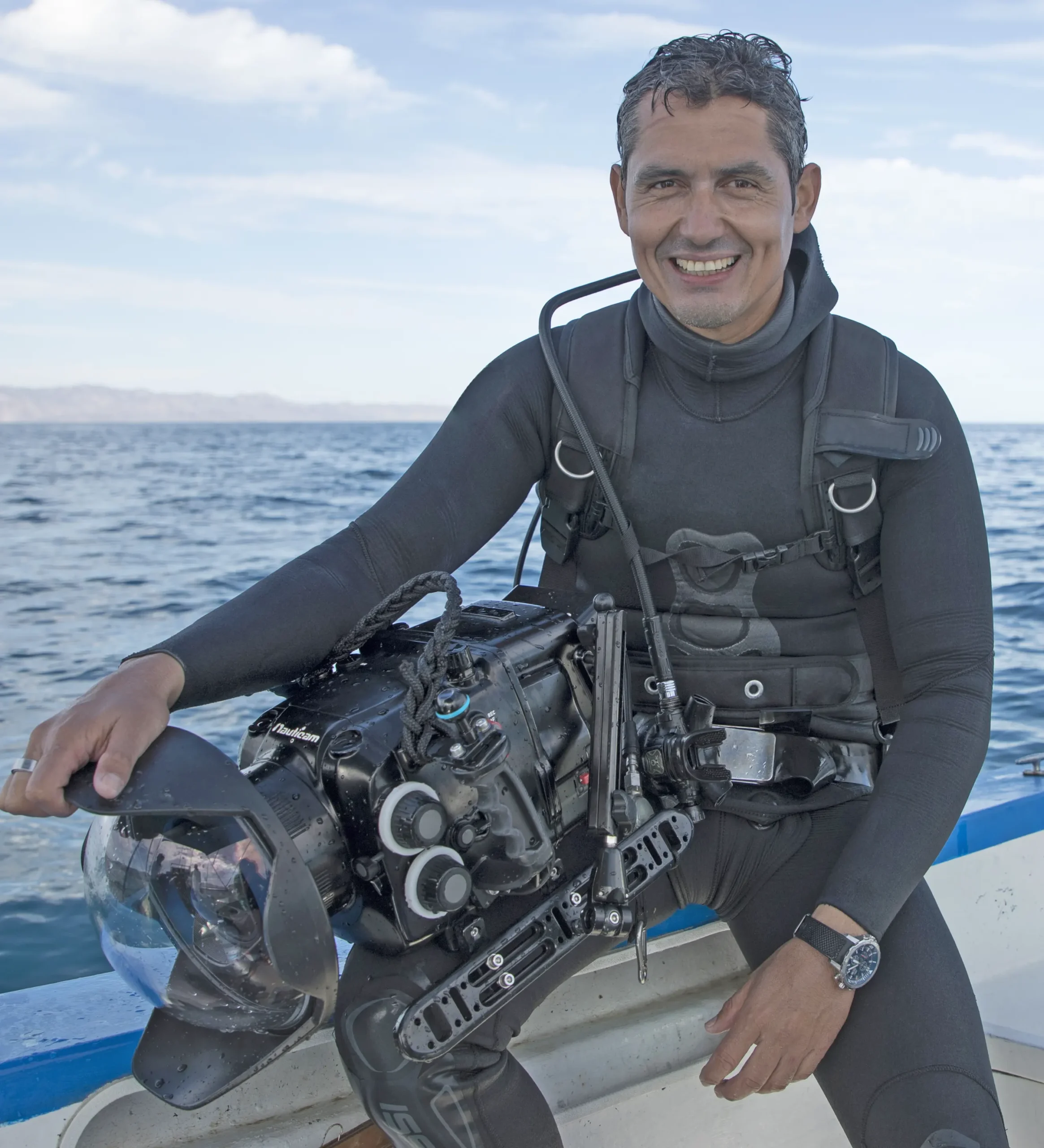
My Path Into the Ocean
I grew up in south central Mexico, but the ocean eventually pulled me to the Baja California Peninsula. I moved there in 1997 and began studying marine biology while spending as much time in the water as possible.
Diving quickly became a way to observe how animals behave in their natural environment. Over time I began documenting those encounters with a camera. Today my work combines marine biology, underwater cinematography, and field production across the Mexican Pacific.
Work in Science + Film
Marine Biology
My training in marine biology shapes how I approach ecosystems, species behavior, and field decisions.
Natural History Production
My work has contributed to major natural history productions with organizations such as BBC Natural History Unit, National Geographic, Silverback Films, and Terra Mater.
Underwater Cinematography
I film marine wildlife throughout the Mexican Pacific including sharks, manta rays, whales, dolphins, and other large pelagic species.
Experience Snapshot
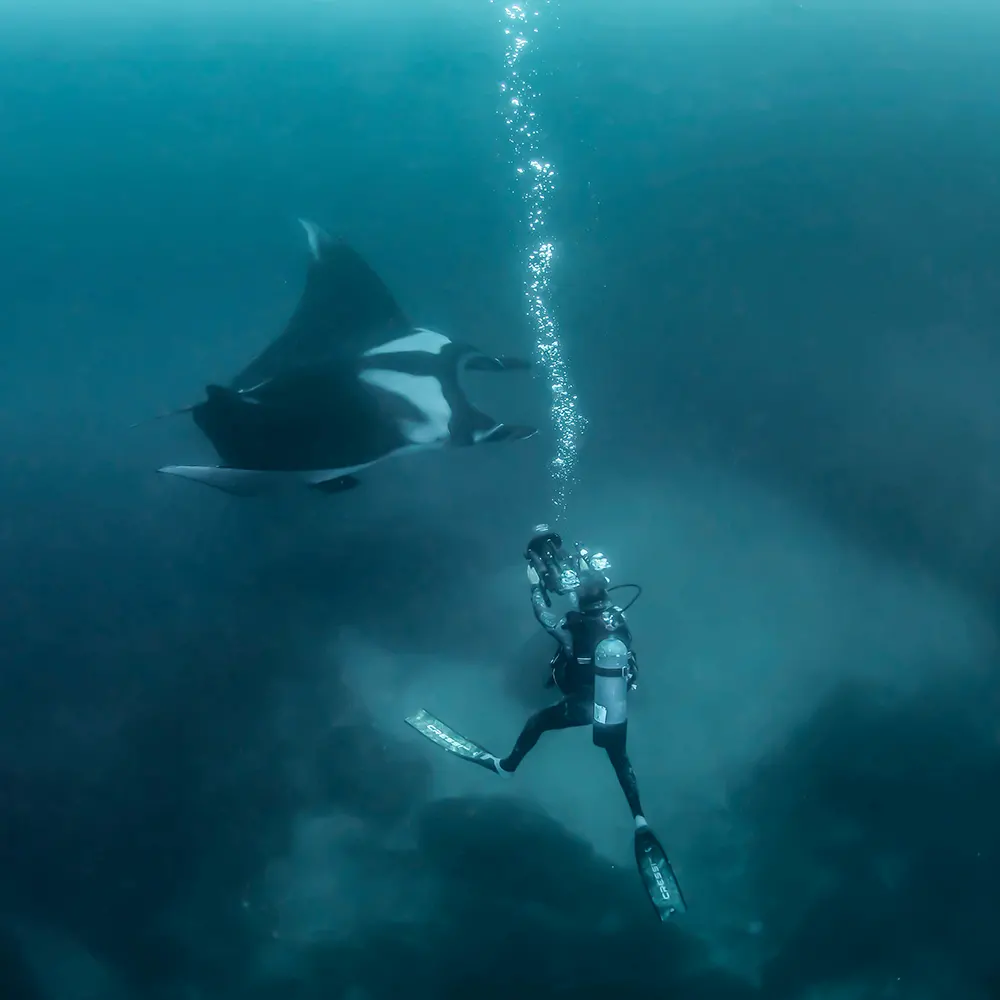
National Geographic Explorer
I am a National Geographic Explorer working on marine wildlife research and conservation in the Gulf of California and the Mexican Pacific.
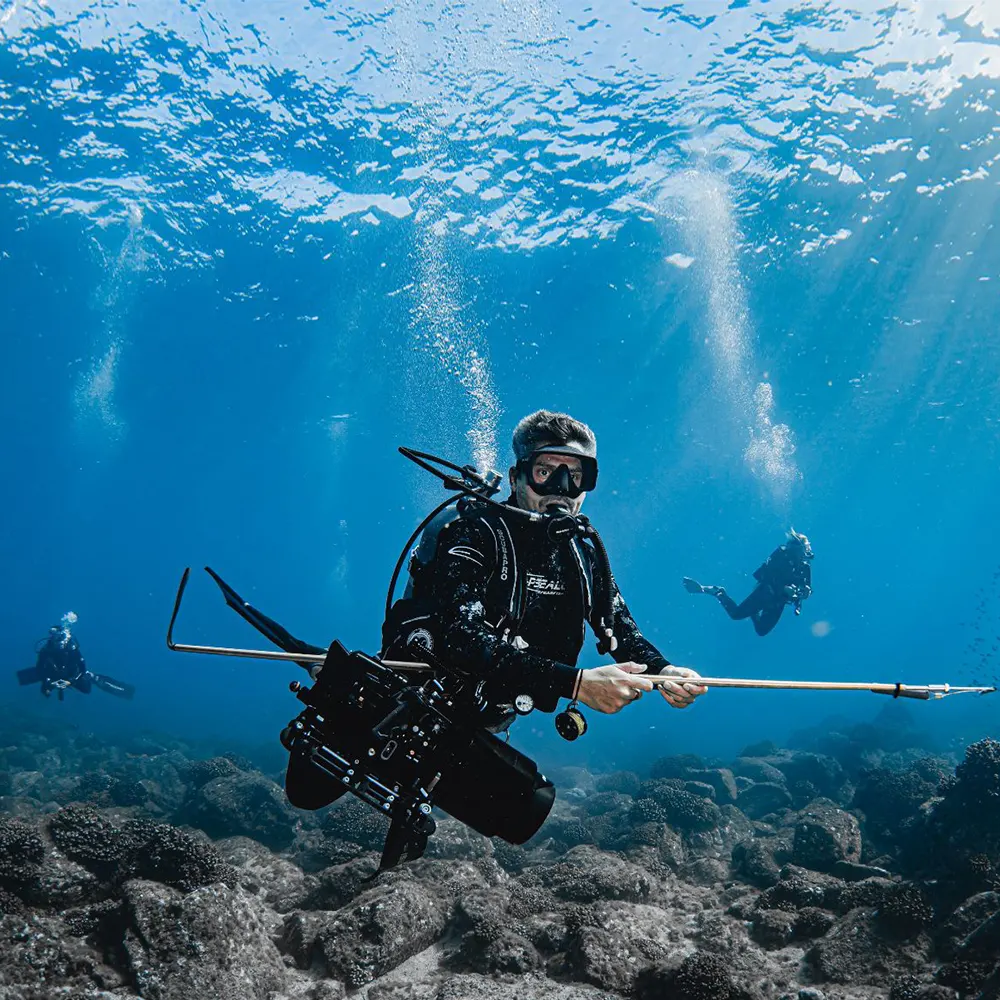
Marine Biology & Field Research
My background in marine biology shapes how I approach filming wildlife. Years of field observation allow me to recognize patterns in animal behavior that get the shots.
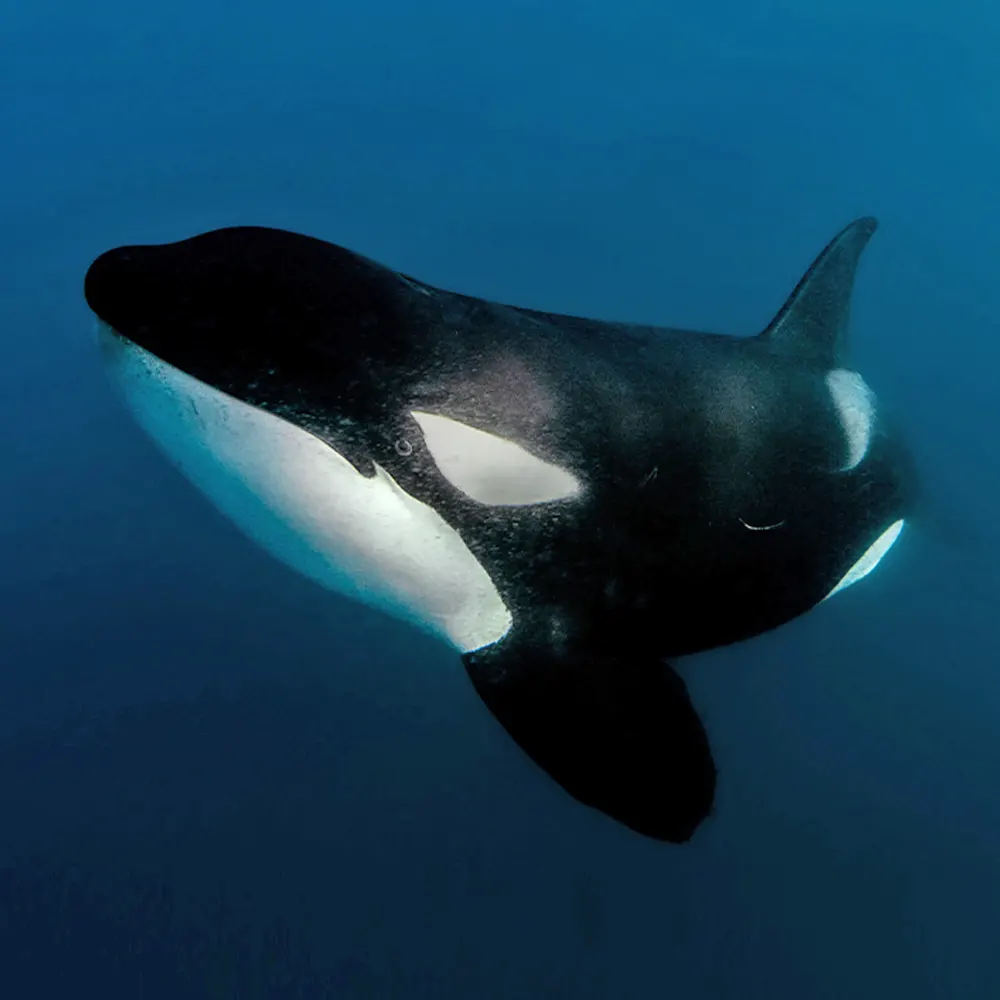
Scientific Publications
Observations from my field work have contributed to peer-reviewed research published in journals including Ecology, Frontiers in Marine Science, and Aquatic Mammals.
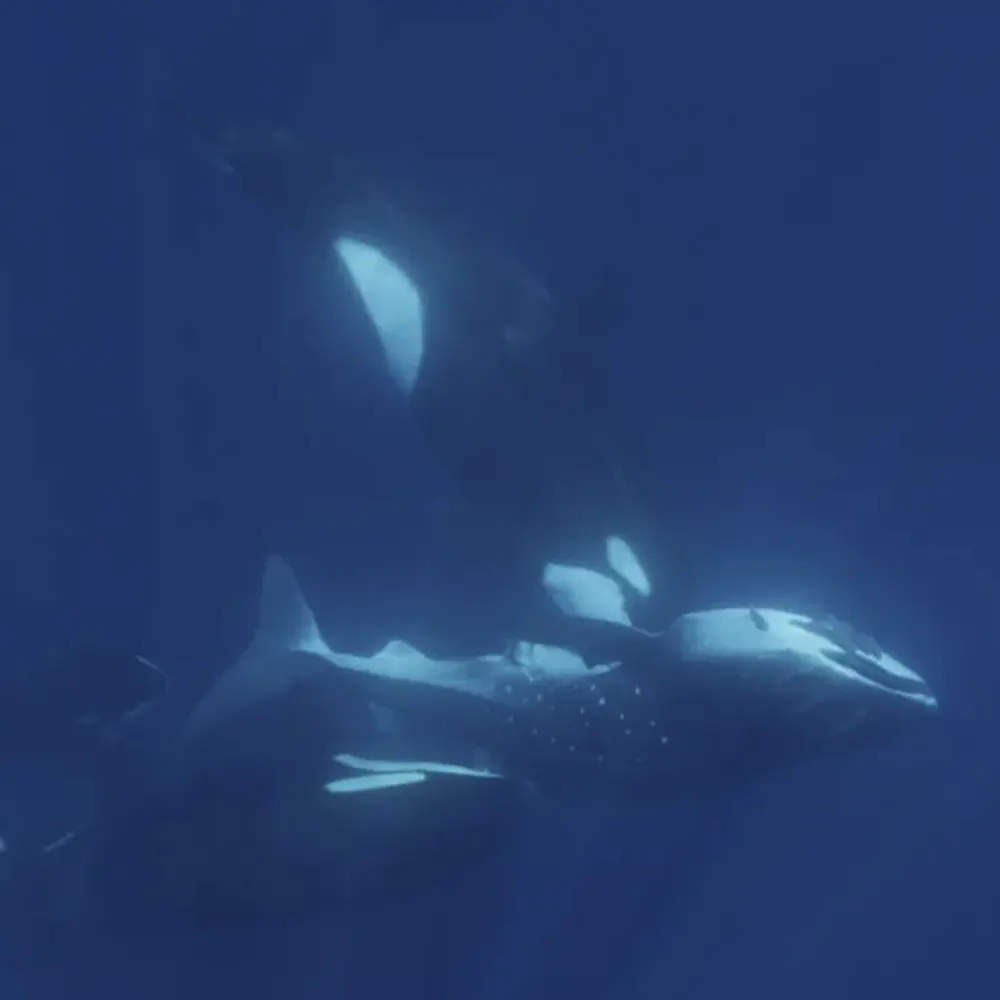
International Media Coverage
Research from my work in the Gulf of California have been featured by The New York Times, CNN, The Washington Post, Forbes, and Live Science.
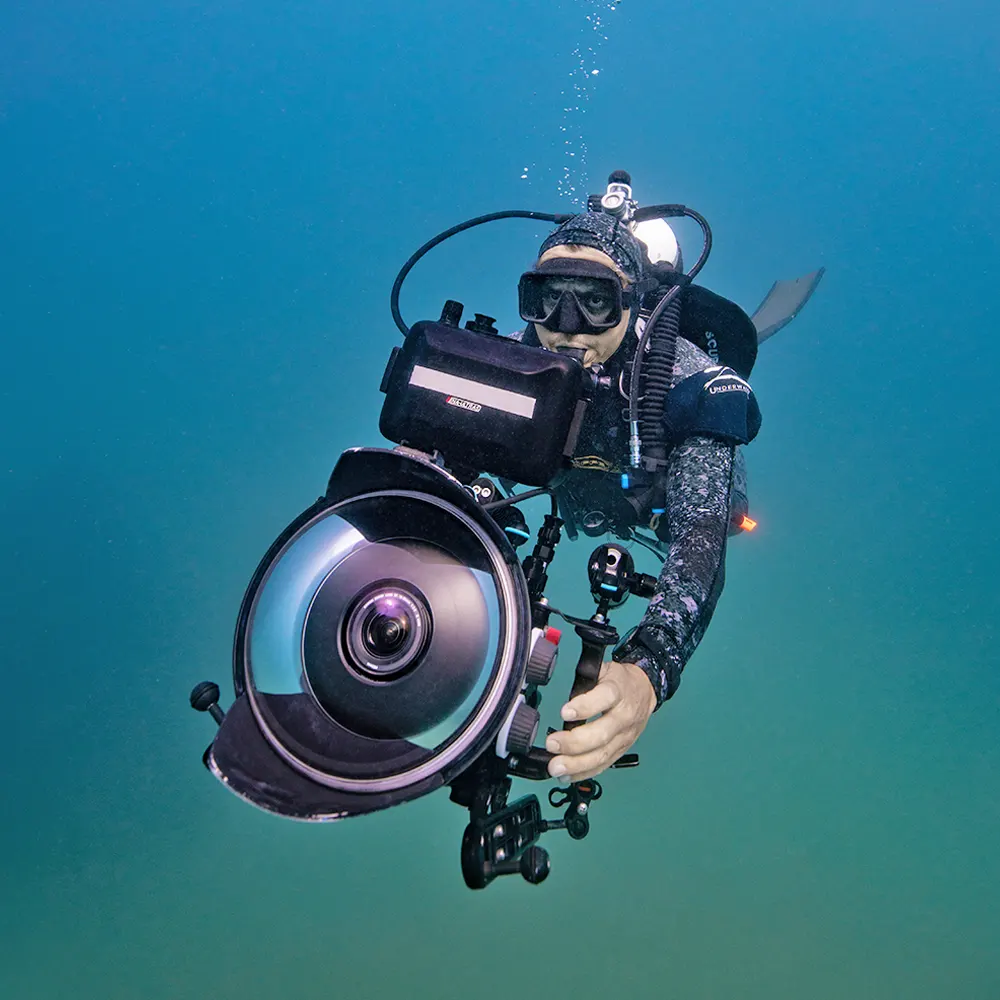
Nauticam Ambassador
I work with Nauticam as an ambassador for underwater imaging systems used by filmmakers and photographers around the world.
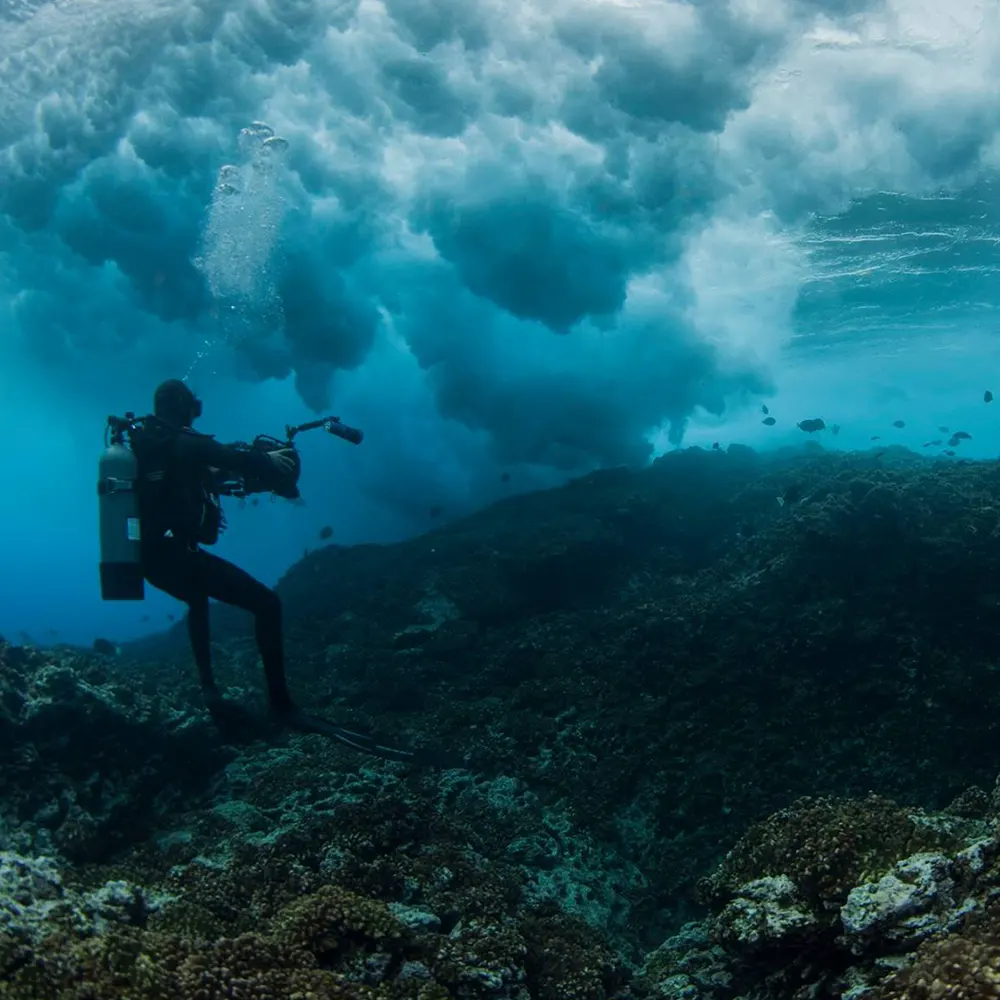
Selected Awards & Recognition
My work has received international recognition and awards – both in film and major wildlife photography competitions.
Planning a Natural History Shoot in Mexico?
If you are planning a natural history production or need underwater filming support in Mexico, feel free to reach out.
Awards + Recognitions
My work has been recognized internationally across natural history filmmaking, underwater cinematography, and conservation storytelling. I’ve won many awards in both photography and cinematography.
A few awards are below:
- Gold World Medal — New York Festivals TV & Film Awards (Whale Wisdom)
- Best Wildlife Film — New York Wild Film Festival (Whale Wisdom)
- Best Marine Film — Green Screen International Nature Film Festival (Whale Wisdom)
- Flamingo Award (Animal Behaviour) — Wildlife Film Festival Rotterdam (Whale Wisdom)
- Gold Dolphin — Cannes Corporate Media & TV Awards (Nature, Environment & Ecology)
- Advanced Diver Magazine/Voice of the Ocean Winner — ADEX
- Multiple International Film Festival Awards — México Pelágico
- Award for Excellence — Stan Waterman at Beneath The Sea
Frequently Asked Questions
Who is Erick Higuera?
I am a marine biologist, underwater cinematographer, and National Geographic Explorer based in Baja California, Mexico. My work combines marine research, field observation, and natural history filmmaking focused on marine wildlife in the Mexican Pacific.
Has Erick Higuera contributed to scientific research?
Yes. Observations from my field work have contributed to peer-reviewed studies published in journals such as Ecology, Frontiers in Marine Science, and Aquatic Mammals, particularly involving manta rays and killer whales.
What makes Erick Higuera different from other underwater filmmakers?
My background in marine biology and long-term field research allows me to understand animal behavior and environmental conditions in ways that help productions film responsibly and accurately. I often contribute to research as well as filmmaking.
What kinds of productions does Erick Higuera work with?
I collaborate with natural history production companies, researchers, conservation organizations, and media teams interested in documenting marine wildlife and ocean ecosystems.